

The Challenge
UK Government Guidance states that the Principal Accountable Person (Directors) of a higher-risk building:
‘Must either have the relevant competence or appoint someone with the relevant competence to help carry out their duties’.
Why it matters
Strict individual Accountability: Safety failings within a higher-risk Building (HRB) now carry civil and criminal liability that falls directly on the shoulders of individual board members.
No Default Managing Agent Protection: Many Boards mistakenly assume their statutory duties can be transferred to their Managing Agents. However, this is strictly prohibited by law. Individual volunteer directors remain completely exposed to personal prosecution for building safety failures.
Building Safety Regulator: The Building Safety Act has created a new statutory body, the Building Safety Regulator (BSR). The BSR has widespread investigatory and enforcement powers and over time will review every Higher-risk Building in the country.
The Capacity Overload
For a Resident Management Company (RMC) or Right to Manage (RTM) organisation, managing a building has become an operational minefield. The introduction of stringent, rapidly shifting safety standards means volunteer directors are frequently overwhelmed by capacity overload.
When extensive new statutory responsibilities are stacked directly on top of your existing workload, critical duties are inevitably forced to be fitted in and around other tasks. This can lead to life-critical safety functions being overlooked or neglected.

The Reality of Severe Personal Exposure
The regulatory landscape has shifted permanently. Under the Building Safety Act, building safety is no longer an administrative checklist that can be casually passed off - it is a strict, mandatory legal framework.
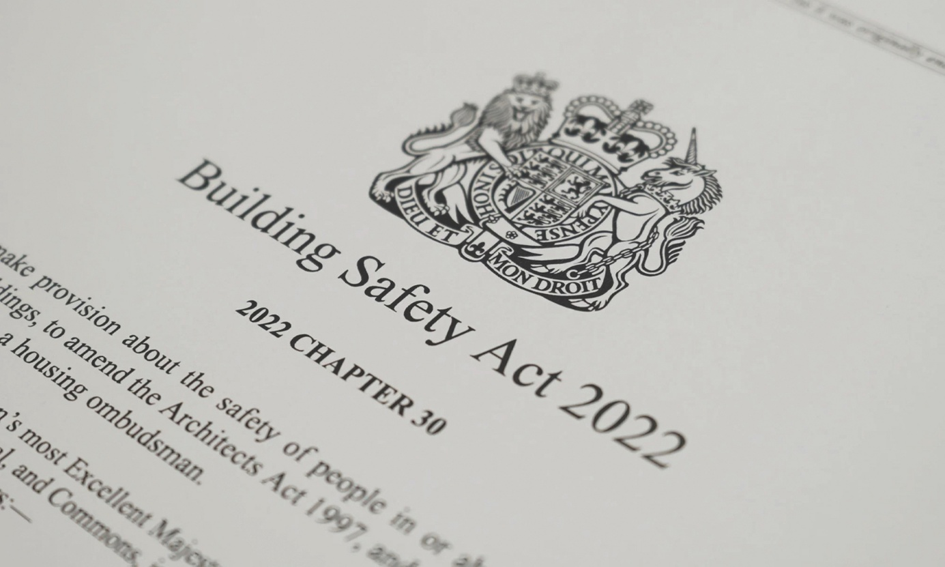
The Legislative Grid: Boards must maintain total compliance across an expanding web of legislation, including the Regulatory Reform (Fire Safety) Order 2005, Building Regulations 2010, Fire Safety Act 2021, Fire Safety Regulations 2022 and the Building Safety Act 2022.
The Operational Pressures You Face
The Critical Friction Points.
-
Capacity Overload
Highly detailed legal responsibilities are piled directly on top of your existing workload, creating an unsustainable administrative burden
-
Specialised Demands
Fire and structural safety matters demand significant amounts of time and deep technical expertise and you may have neither
-
Rigorous Timeframes
Regulatory triggers - such as submitting a Mandatory Occurrence Report (MOR) strictly within 10 calendar days of an incident - leave zero margin for operational delay or error
Contact Us
Pass the compliance burden to us today.
We are ready to help.